SEBASTIAN GUZMAN OLMOS


Sebastian Guzman Olmos (he/him) is an Argentine transdisciplinary designer, researcher, and curator based in Amsterdam. His work spans political engagement and cultural production, addressing systemic contradictions within capitalist, extractivist, and (neo)colonial structures. Anchored in historical material analysis, class perspective, and revolutionary optimism. Often materializing through diverse practices, organizational efforts, and pedagogies.

He is an incoming MA student in Critical Studies department at Sandberg Instituut. Sebastian formerly studied at Design Academy Eindhoven in the Media and Culture department. Additional non-traditional curricula include TBA21-Academy’s Organismo in Madrid; The People’s Forum in New York City; the Rosa Luxemburg Foundation in Berlin; and studies with Frente de Izquierda Unidad in Buenos Aires.


SELECTED EXHIBITIONS


His work has been shown in TBA21-Academy (Madrid), Dutch Design Week (Eindhoven), Museum de Fundatie (Zwolle), Design Museum Ghent (Ghent), Kazerne (Eindhoven), Bruxelles Environnement (Brussels), Guan Shanyue Art Museum (Shenzhen), and The Central House of Artists (Moscow), among other spaces.


EDUCATIONAL PROGRAMMES


He has initiated programs, workshops, and lectures at Rietveld Academie/Sandberg Instituut (Amsterdam), The Embassy of the Netherlands in Berlin, Design Academy Eindhoven (Eindhoven), Fontys University (Tilburg),  Fachhochschule Potsdam (Potsdam), HMC (Rotterdam), AKV St. Joost (’s-Hertogenbosch), and Floating University (Berlin).


SELECTED RECOGNITION


Contributor/researcher on projects that received: TBA21‑Academy/Ocean Archive Editor’s Pick 2025, S+T+ARTS Prize (Honorary Mention), Floriade Expo 2022 (Gold Award), and Henry van de Velde Award (Silver).


MAIL
INSTAGRAM


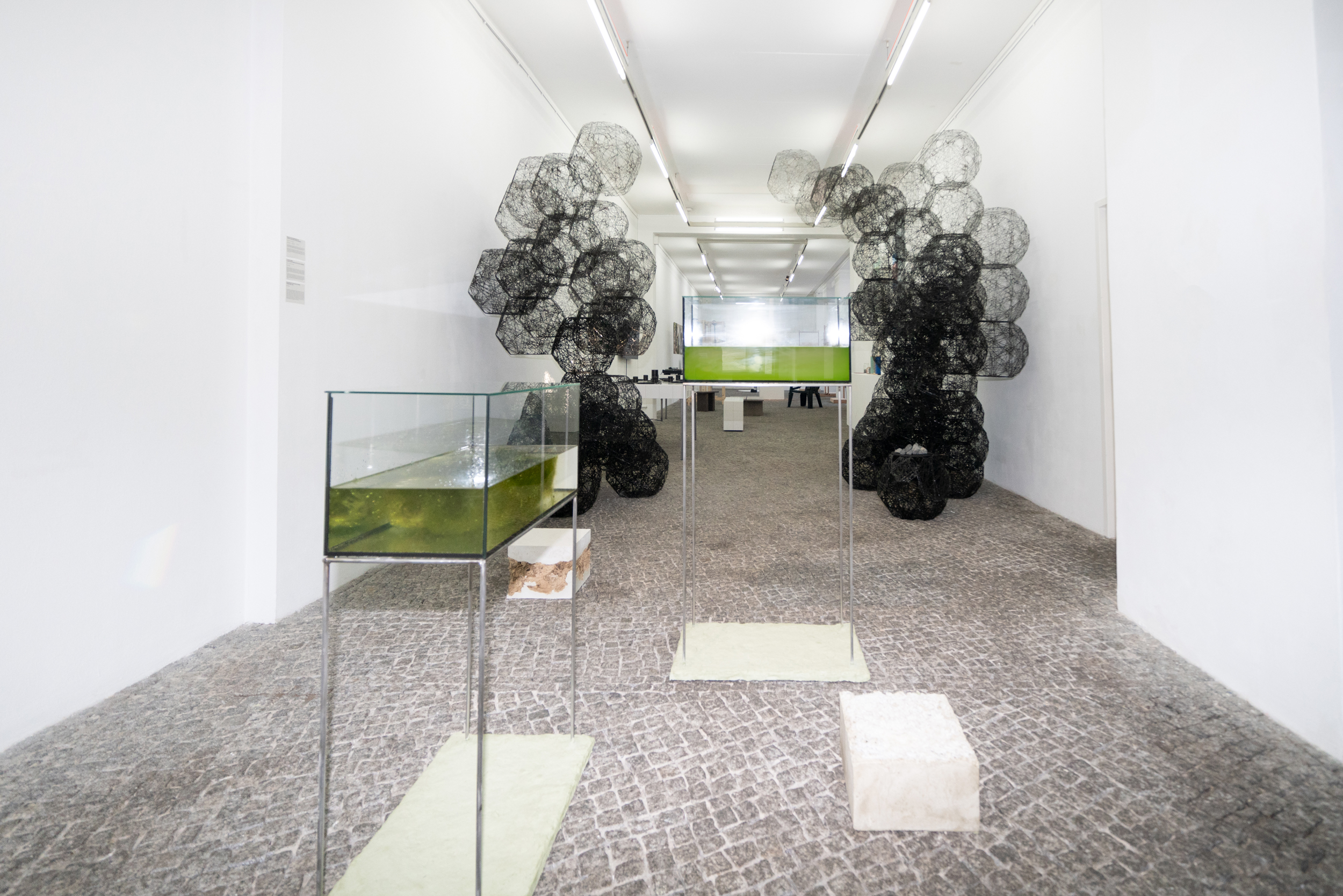
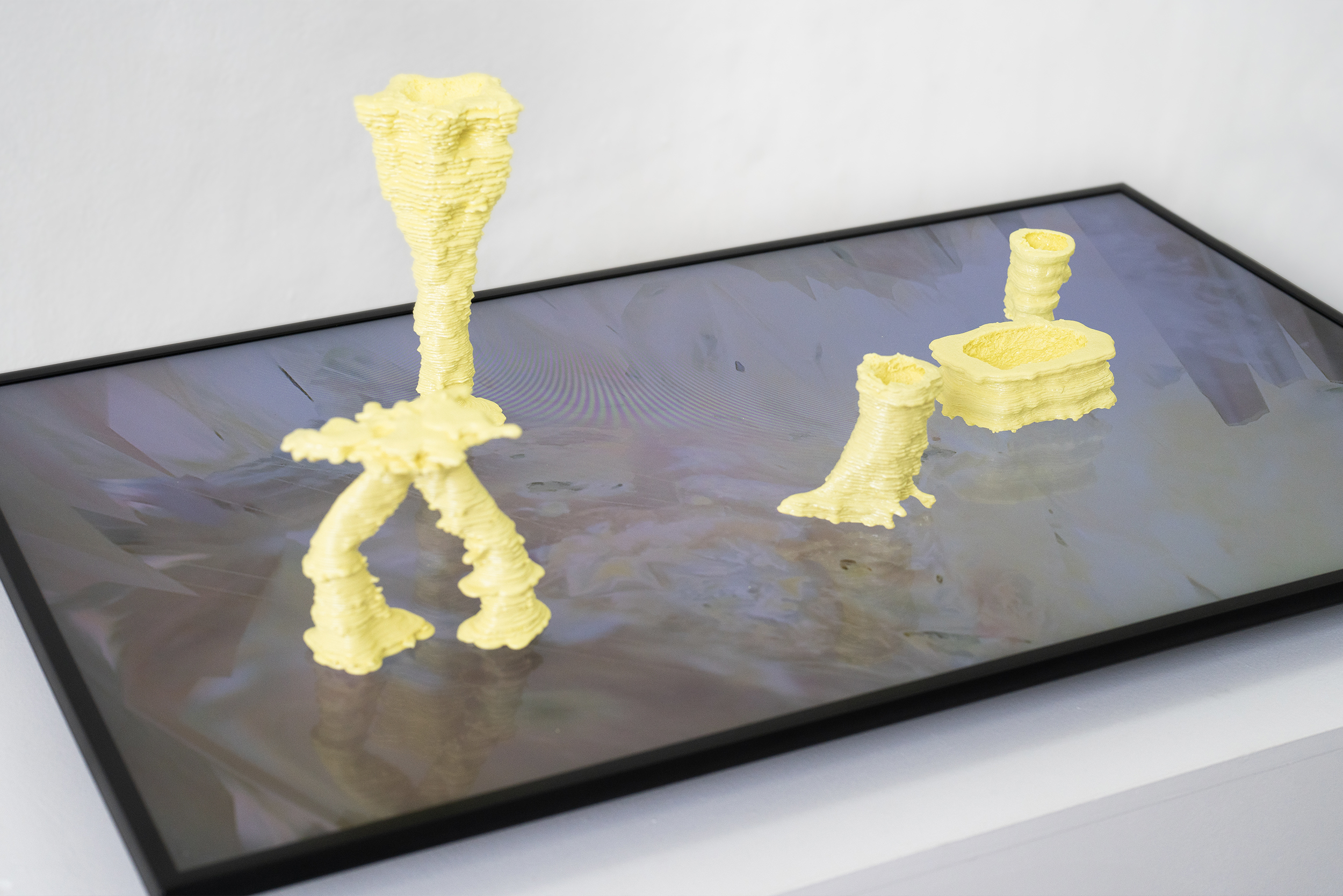
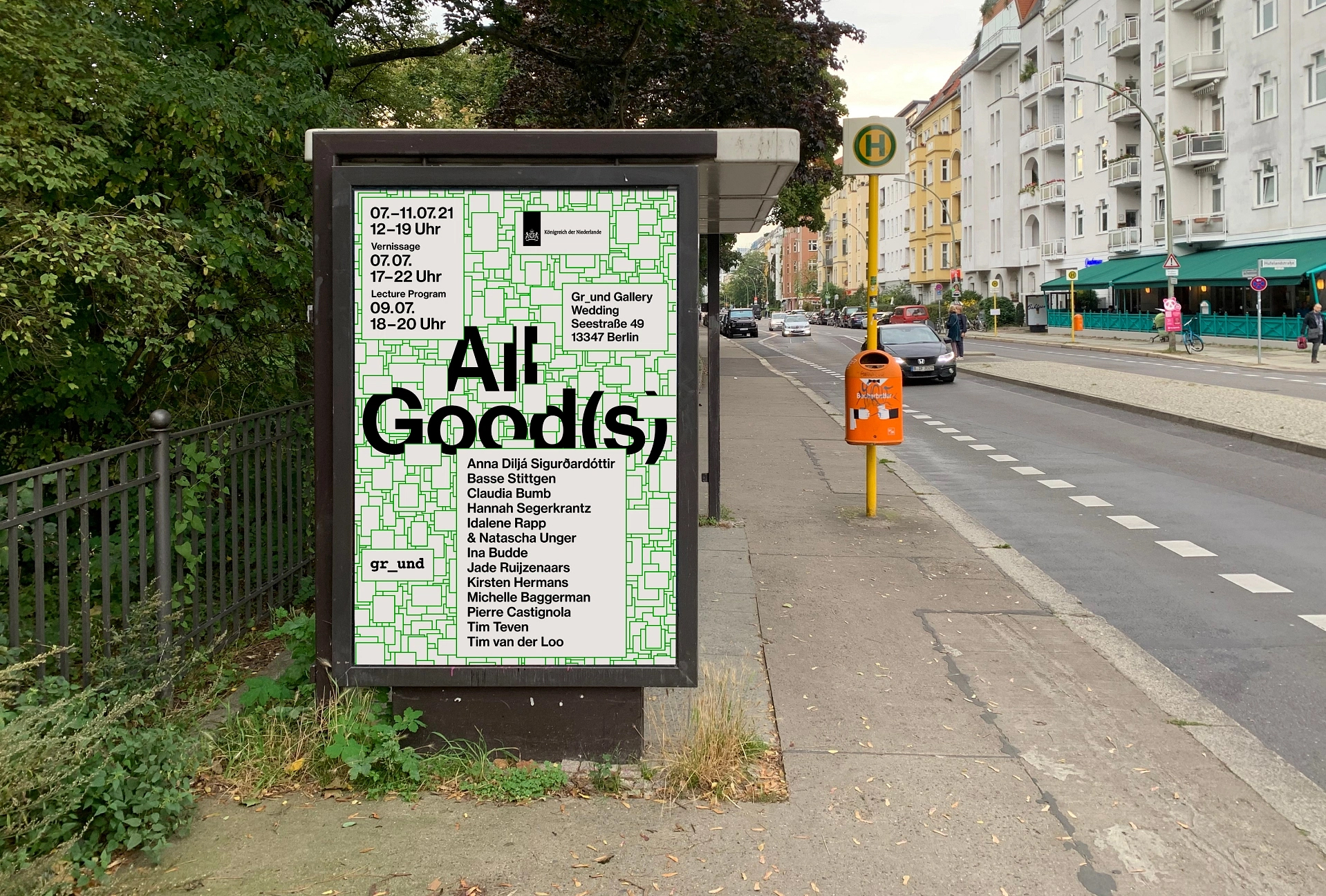
ALL GOOD(S)


What do we make of the role of contemporary design in the climate breakdown era?

As extractive systems, created by some humans who possess the vast majority of wealth, are responsible for exponentially increasing the amount of materials exploited on a planetary scale—carelessly consuming more than 100 billion tons a year, as resource reuse is declining. We need to quickly bring into discussion how to apply modes and methodologies to shift into sustainable and circular practices effectively. To radically reduce the impact of the prevailing material and manufacturing culture, while simultaneously recognizing the importance of multi-species entanglement.
2021, Berlin
Co-curated with the Embassy of the Netherlands in Berlin. Photography by Thyago Sainte.